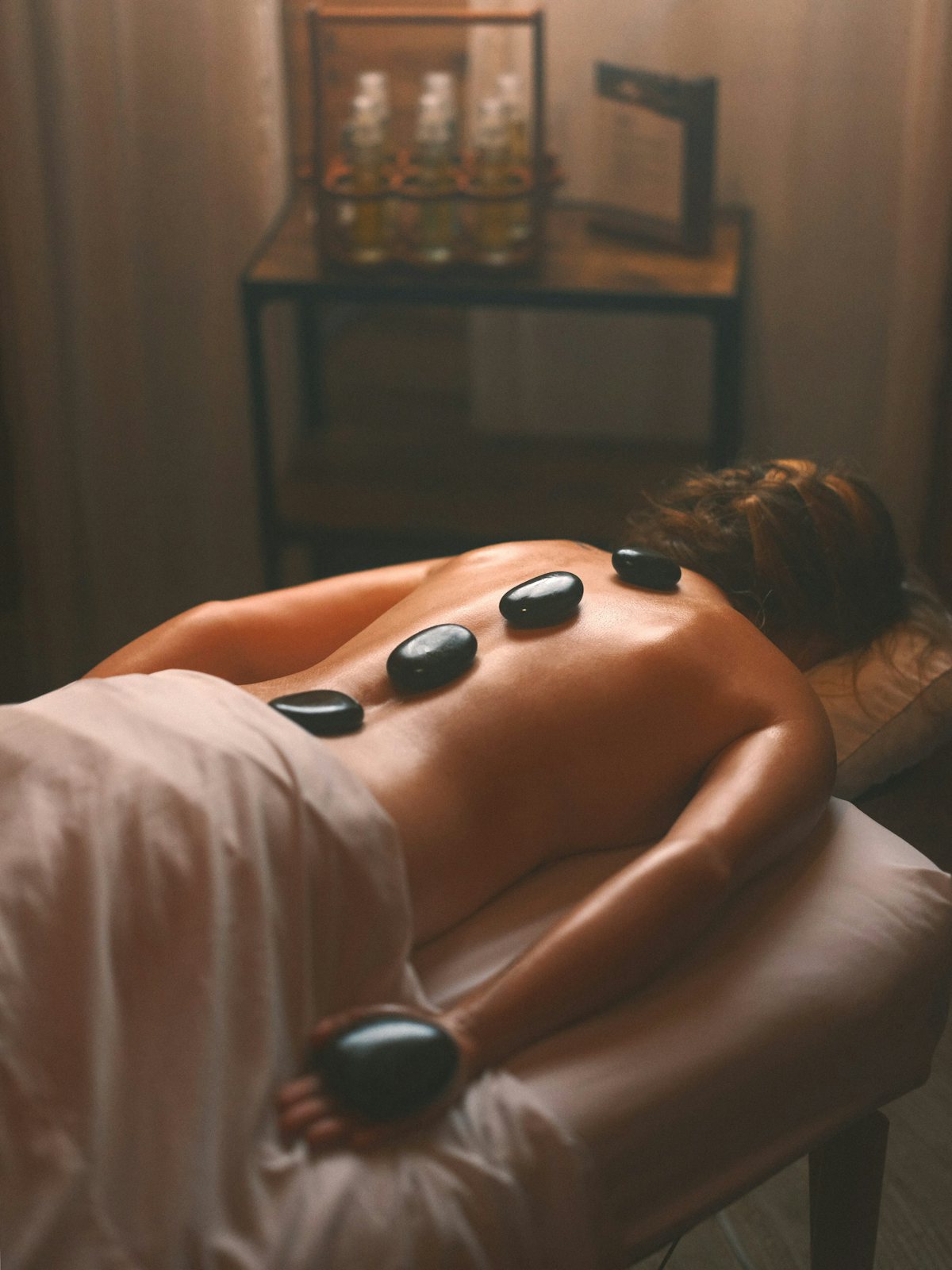
Three people can ask for “a massage” and mean three completely different things. One wants to fall asleep on the table. Another wants a knot in their shoulder gone by Friday. A third wants their hips to move better before a marathon. Deep tissue, Swedish, and Thai massage were built for exactly these three different goals, and picking the wrong one is the most common reason people walk away disappointed.
Swedish massage: the relaxation baseline
Swedish is the technique most people picture when they hear “massage.” Long, flowing strokes. Light to medium pressure. A pace built around calming the nervous system rather than fixing a specific problem. If you’ve never had professional massage before, this is where to start, because there’s essentially no risk of it feeling too intense.
It works by increasing circulation and easing general muscle tension across the whole body rather than drilling into one specific area. You won’t leave sore. You also won’t leave with a chronic knot resolved, because that’s not what the technique is designed to do. Think of Swedish as maintenance, not repair.
Deep tissue: pressure with a purpose
Deep tissue massage exists to reach muscle layers that Swedish strokes glide right past. The pressure is slow, firm, and concentrated on the specific area causing trouble, whether that’s a tight lower back, a knotted shoulder, or scar tissue from an old injury. Therapists use fingers, knuckles, and sometimes elbows to work through adhesions layer by layer.
It’s genuinely effective for chronic pain and postural problems, and it’s the technique most therapists reach for when a client describes a specific, persistent issue rather than general stress. The tradeoff is real, though: expect some soreness for a day or two afterward, the same kind you’d get from a hard workout. That soreness isn’t a sign something went wrong. It’s muscle tissue responding to work it hasn’t done in a while.
One thing worth knowing before you book: deep tissue isn’t automatically “more” massage. A skilled therapist adjusts pressure to what your body can actually handle, and more pressure isn’t the same as more effective treatment.
Thai massage: movement, not just pressure
Thai massage breaks the mold entirely. There’s no oil, no undressing, and no lying still on a table. Instead, the therapist uses rhythmic compression along the body’s energy lines combined with assisted, yoga-like stretching, while you stay fully clothed on a mat. It’s closer to being guided through a stretching routine than to a traditional massage.
The result tends to be energizing rather than sedating, which surprises people expecting to leave drowsy. Clients dealing with stiff joints, limited flexibility, or a body that just feels “locked up” often respond better to Thai massage than to pressure-based techniques, since the goal is range of motion rather than tissue release.
Thai massage can also feel more physically involved than a typical session. You’re an active participant, not a passive recipient, and some positions require a bit of flexibility on your end too. If you have joint issues or limited mobility, mention that to the therapist before the session starts.
So which one do you actually need?
The honest answer depends on what’s bothering you, not which one sounds fancier.
Reach for Swedish if you want to relax, you’re new to massage, or you just need to decompress after a stressful week with nothing specific hurting. Reach for deep tissue if you can point to a specific spot, chronic tension, or recurring pain that hasn’t responded to rest. Reach for Thai massage if your problem is more about stiffness and mobility than isolated pain, or if lying still on a table for an hour doesn’t sound appealing.
A few therapists offer more than one of these, and some specialize in a single technique exclusively. Both are fine. If your pain radiates rather than staying in one spot, trigger point therapy is worth asking about too, and athletes recovering from training often do best with sports massage, which blends deep tissue work with stretching. What matters more is being specific when you book: describe the actual problem, not just the technique name you think you want, and let the therapist confirm it’s the right match before you commit.
Not sure where to start? Browse therapists by technique to see who’s available near you, or read How to Choose a Massage Therapist for the full picture on credentials and what to ask before booking.